Beyond Cultural Competence: Practicing Cultural Humility with Inuk Children and Families in Therapy

When mental health professionals think about providing culturally responsive care, we often ask ourselves: How can I learn more about this culture?
While knowledge is important, it is only part of the answer.
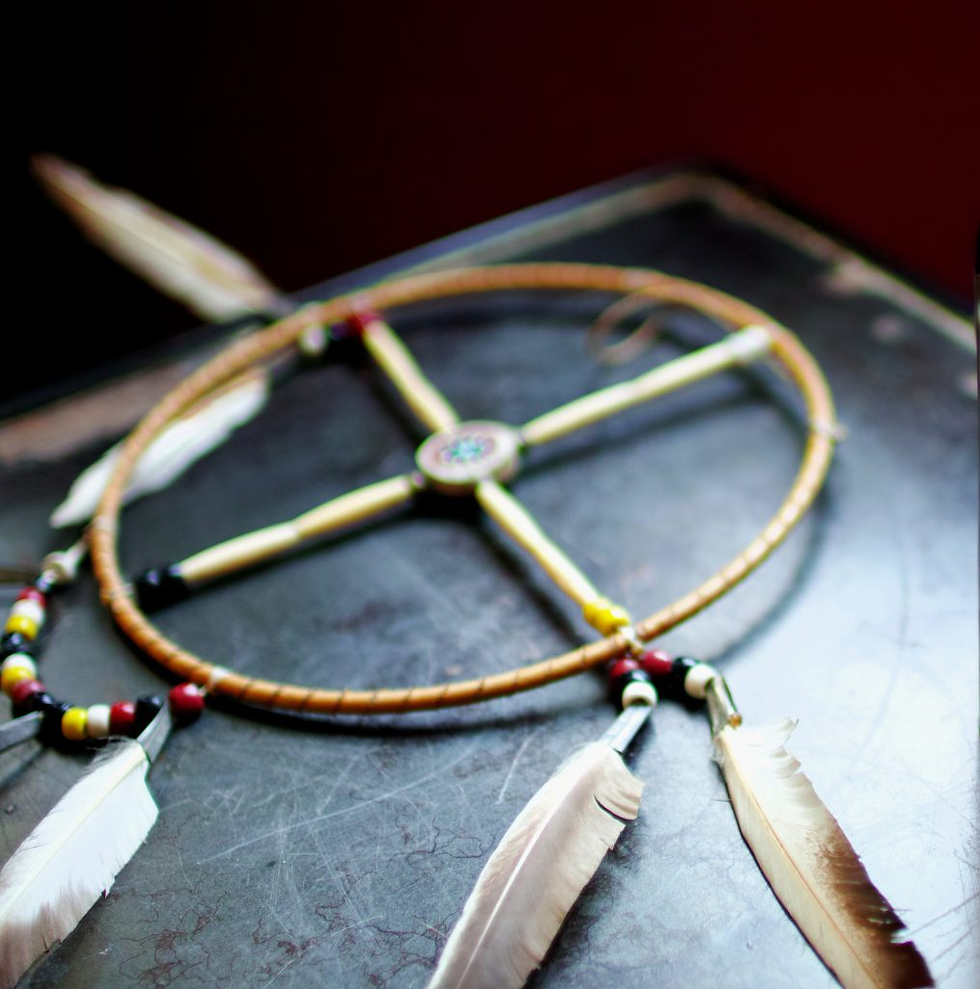
When working with Inuk children, adolescents, and families from Nunavik and other Inuit communities, effective therapy begins not with becoming an expert on Inuit culture, but with embracing cultural humility; a lifelong commitment to curiosity, self-reflection, and collaborative care.
At D2 Psychology Clinic, we believe that culturally responsive therapy goes beyond adapting worksheets or translating materials. It means recognizing that every family arrives with unique strengths, traditions, histories, and lived experiences that deserve respect and understanding.
Cultural Competence vs. Cultural Humility
For many years, professional training emphasized cultural competence, encouraging clinicians to learn about different cultures in order to provide better care.
While this remains valuable, cultural competence has its limitations. No therapist can fully "master" another culture, and relying solely on generalized knowledge can unintentionally lead to assumptions or stereotypes.
Cultural humility shifts the focus.
Instead of asking:
"How do Inuit families think?"
we ask:
"How does this child and this family experience the world?"
This subtle shift changes the therapeutic relationship. Rather than positioning ourselves as experts on culture, we become collaborative partners who recognize each family's expertise in their own lives.
Understanding the Context: Why History Matters
The experiences of many Inuit families today cannot be separated from the historical realities that have shaped Nunavik communities over generations.
Policies of forced settlement, residential schools, tuberculosis evacuations to southern hospitals, the widespread killing of Inuit sled dogs, and ongoing experiences of systemic inequities have all contributed to collective and intergenerational trauma.
These experiences continue to influence many aspects of mental health, including:
trust in institutions
family relationships
experiences of grief and loss
community resilience
help-seeking behaviours
Understanding this context does not mean making assumptions about every client. Rather, it allows therapists to appreciate that presenting concerns often exist within broader historical and social realities.
Strengths Often Go Unnoticed
Discussions about Indigenous mental health frequently focus on adversity. While acknowledging challenges is important, it is equally essential to recognize the remarkable strengths found within Inuit communities.
Many Inuk children grow up surrounded by strong family networks, deep connections to the land, rich storytelling traditions, adaptability, generosity, and a profound sense of community responsibility.
These strengths are not simply protective factors, they are therapeutic resources.
Whenever appropriate, therapy should build upon these existing sources of resilience rather than focusing exclusively on symptoms or deficits.
Building Trust Before Intervention
Many clinicians are trained to identify goals and begin interventions early in treatment.
However, with many Inuit families, the therapeutic relationship itself is often the intervention during the initial sessions.
Children may speak very little.
Parents may appear reserved.
Silence may be common.
Rather than interpreting these behaviours as resistance or disengagement, therapists should consider whether the family is taking time to establish trust.
Respecting silence, allowing conversations to unfold naturally, and demonstrating consistency often creates the foundation necessary for meaningful therapeutic work.
Sometimes the most clinically valuable moment is not asking another question, but allowing space for one to emerge.
Every Family Is Different
It is important to remember that there is no single Inuit experience.

Some children speak primarily Inuktitut, while others communicate mostly in English or French.
Some families maintain strong traditional practices.
Others identify more closely with southern lifestyles.
Some children have lived their entire lives in Nunavik.
Others divide their time between northern and southern communities.
Avoid assuming cultural practices based solely on ethnicity. Instead, ask open-ended questions with genuine curiosity.
Simple questions such as:
"Who are the important people in your child's life?"
"What helps your family during difficult times?"
"Are there traditions or values you would like me to understand?"
can provide far more meaningful information than relying on generalized cultural knowledge.
Communication Looks Different
Therapists are often taught to value eye contact, emotional expression, and verbal processing.
These expectations may not always align with every client's communication style.
Some children communicate more comfortably through:

play
drawing
storytelling
shared activities
observation
silence
Likewise, brief answers should not automatically be interpreted as avoidance or limited insight.
Adapting our communication style allows children to participate in therapy in ways that feel safe and authentic.
Adapting Evidence-Based Therapy
Providing culturally responsive care does not require abandoning evidence-based practice.
Rather, it involves thoughtful adaptation.
Cognitive Behavioural Therapy (CBT), Dialectical Behaviour Therapy (DBT), Acceptance and Commitment Therapy (ACT), and play therapy can all be highly effective when delivered with flexibility and cultural sensitivity.

Examples include:
using visual rather than text-heavy materials (e.g., medicine wheel)
incorporating storytelling and metaphors
moving at the family's pace
involving caregivers and extended family when appropriate
emphasizing practical skill-building over clinical jargon
The evidence-based principles remain the same; the delivery becomes more responsive to the individual child and family.
The Importance of Self-Reflection
Perhaps the most important skill in culturally humble practice is self-awareness.
As therapists, we benefit from regularly asking ourselves:
Am I interpreting cultural differences as pathology?
Have I taken enough time to build trust?
Am I allowing this family to define what wellness looks like for them?
Am I approaching this relationship with curiosity rather than certainty?
These questions have no final answers.
They simply encourage ongoing reflection throughout our careers.
Cultural Humility Is a Lifelong Practice
Working with Inuk children and families is both a privilege and a responsibility.
No workshop or article can fully prepare clinicians for every cultural encounter.
Instead, cultural humility invites us to remain learners, continually listening, reflecting, adapting, and recognizing the expertise that families bring into the therapy room.
When we prioritize relationships over assumptions, curiosity over certainty, and collaboration over expertise, we create spaces where children and families feel respected, understood, and empowered.
At D2 Psychology Clinic, we believe that the strongest therapeutic relationships are built not by knowing everything about another culture, but by demonstrating genuine openness to learning from every family we have the privilege to meet.
Dr. Damyan Edwards, PhD
Co-owner, clinical director, and psychologist at D2 Psychology Clinic



Comments